
How a Professional Soccer Player Returned From Knee Surgery to the MLS Playoffs and FIFA World Cup
Returning from knee surgery is challenging for any athlete. Returning during the final stretch of a professional soccer season presents an entirely different challenge.
Whether recovering from a meniscus surgery, ACL reconstruction, cartilage procedure, or other knee injury, successful return to sport requires far more than simply becoming pain-free. Athletes must rebuild strength, restore speed, tolerate high-speed running, and prepare for the unique physical demands of competition. This process is often referred to as return-to-performance rehabilitation—the bridge between medical clearance and competing at your highest level.
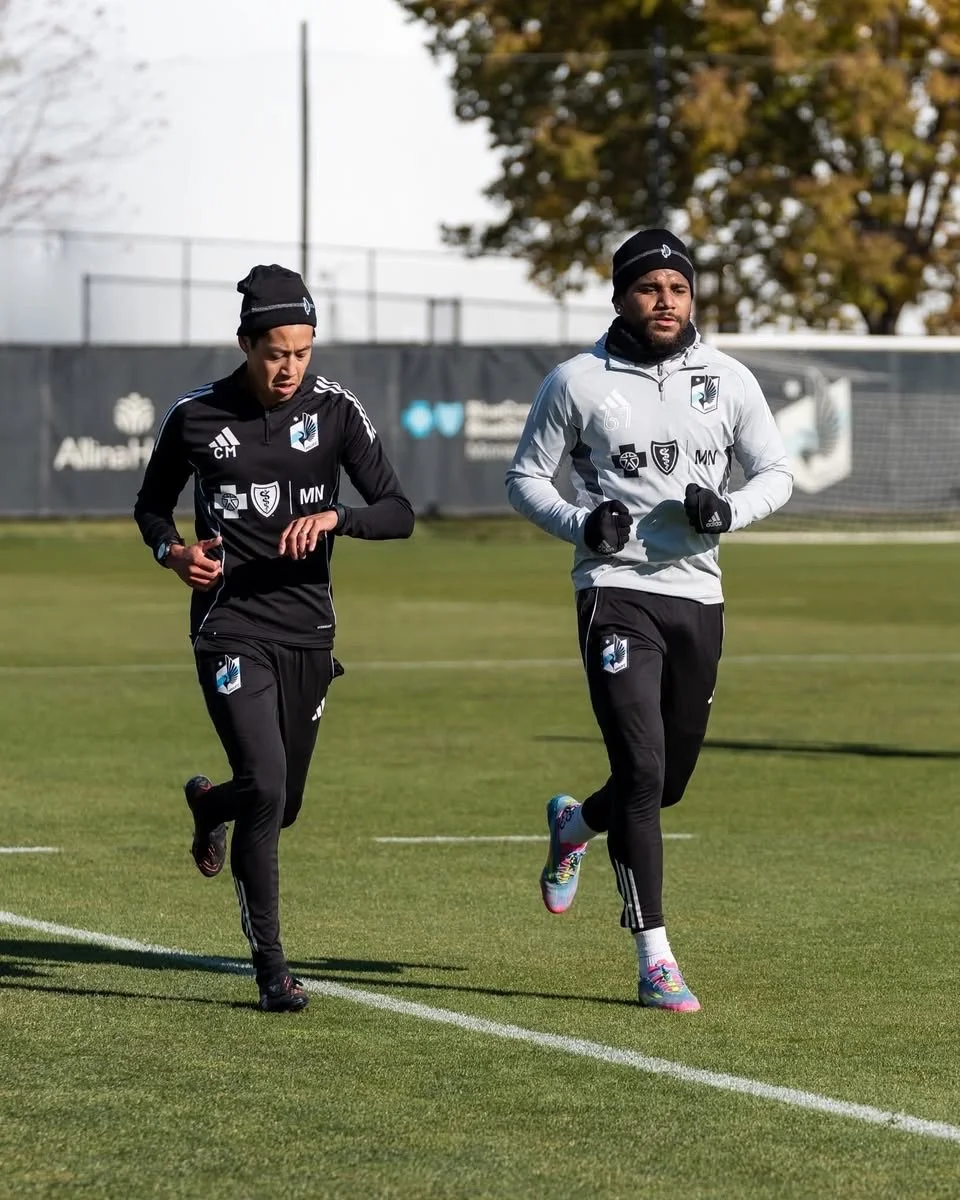
Recently, I had the opportunity to help Minnesota United midfielder and defender Carlos Harvey navigate the rehabilitation process following knee surgery. The objective was not simply returning him to the field. The goal was preparing him to perform at the demands of MLS playoff soccer and continue competing at the international level with the Panama National Team.
His journey highlights an important concept often overlooked in rehabilitation: returning to play and returning to perform are not the same thing.
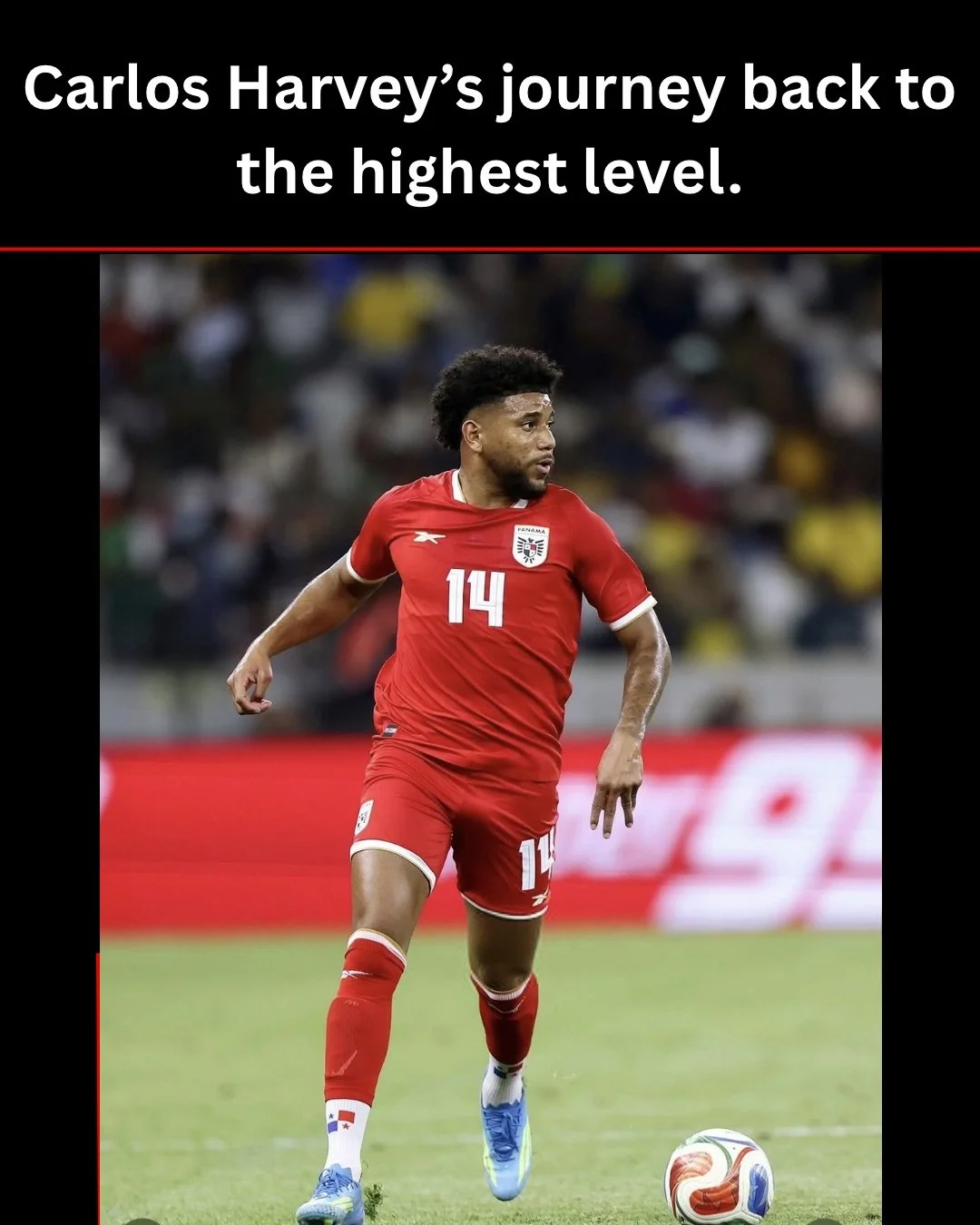
Carlos Harvey's Journey Back to the Highest Level
Carlos is one of the most versatile players on Minnesota United's roster. Throughout his career he has successfully performed in multiple positions depending on the needs of the coaching staff.
This versatility created unique rehabilitation challenges because the physical demands of each position differ significantly.
Defensive Midfielder Demands
As a defensive midfielder, Carlos is responsible for:
Covering large amounts of ground
Frequent accelerations and decelerations
Defensive transitions
Ball-winning actions
High running volumes
Center Back Demands
As a center back, the physical requirements shift toward:
Aerial duels
Physical contact
Explosive reactions
Defensive positioning
Rapid changes of direction
Because of these varying responsibilities, rehabilitation could not be built around a single positional profile.
Why Position-Specific Rehabilitation Matters in Soccer
Not all soccer players move the same way.
A winger, striker, defensive midfielder, and center back all experience different movement demands during training and competition.
Successful return-to-sport rehabilitation requires more than simply restoring strength and range of motion. The athlete must be prepared for the specific demands of their position.
Physical Demands
Rehabilitation must account for:
Sprinting
Deceleration
Change of direction
Power production
Repeat sprint ability
Tactical Demands
The rehabilitation plan should also consider:
Match responsibilities
Team tactics
Positional requirements
Competition demands
Preparing athletes for real game situations is what bridges the gap between rehabilitation and performance.
How Professional Soccer Players Return to Sport After Knee Surgery
Returning a professional soccer player to competition involves a progressive process that gradually exposes the athlete to increasing levels of stress.
Rehabilitation was not limited to exercises in the weight room. Every phase was designed to prepare Carlos for the demands he would face once he returned to competition.
Related Reading: 3 Major Mistakes Athletes Make After Knee Surgery
Strength and Power Development
The initial phase of rehabilitation focused on restoring lower-body strength, force production, and movement quality following knee surgery. Before an athlete can safely return to sprinting, cutting, and competing, they must first rebuild the foundational strength necessary to tolerate these demands.
Strength serves as the foundation for nearly every athletic movement in soccer. Acceleration, deceleration, change of direction, jumping, landing, and repeated sprint efforts all rely on the ability to generate and absorb force effectively. Following surgery, deficits in strength often persist long after pain has resolved, which is why objective strength development remains a critical component of the rehabilitation process.
As Carlos progressed through rehabilitation, training emphasized single-leg strength, force production, power development, and movement symmetry. The goal was not simply to restore pre-injury levels, but to prepare him for the high physical demands of professional soccer and reduce potential risk factors associated with returning to competition.
Sprint Exposure
High-speed running is one of the most important physical qualities in professional soccer. However, sprinting serves a purpose beyond performance enhancement—it also plays a critical role in injury prevention.
One of the most common mistakes during rehabilitation is returning athletes to competition without sufficient exposure to maximal or near-maximal sprinting. Research has shown that regular exposure to high-speed running may help reduce the risk of hamstring strains by preparing the tissues for the demands they will encounter during competition.
Throughout Carlos's rehabilitation, sprint exposure was carefully progressed based on his recovery status, training loads, and competition goals. The objective was not only to restore speed but also to build resilience against future injury while preparing him for the repeated high-speed efforts required during MLS playoff matches.
Change of Direction Training
Soccer is rarely played in straight lines. Players must constantly cut, pivot, react, decelerate, and change direction in response to opponents, teammates, and the flow of the game. These movements place significant stress on the knee and lower extremity, particularly when performed at high speed under fatigue.
As Carlos progressed through rehabilitation, change-of-direction training was systematically advanced from planned movement patterns to more reactive and soccer-specific scenarios. The objective was not only to restore movement quality but also to prepare him for the unpredictable demands of professional soccer. This progression helped rebuild confidence, improve force absorption capabilities, and prepare him for the rapid directional changes required as both a defensive midfielder and center back.
Related Reading:Return to Sport After ACL Surgery: Why Deceleration and Change of Direction Matter
Soccer-Specific Conditioning
Returning to professional soccer requires more than restoring strength and movement quality. Athletes must also be prepared for the physical demands of training sessions, congested match schedules, and repeated high-intensity efforts throughout a 90-minute match.
Conditioning was integrated throughout the rehabilitation process to progressively prepare Carlos for the aerobic and anaerobic demands of MLS competition. Training evolved from controlled running exposures to soccer-specific conditioning drills that replicated match intensity, positional responsibilities, and repeated sprint demands. The goal was not simply to improve fitness but to ensure he could tolerate the workload required during a playoff push while maintaining performance throughout the match.
Return to Play Versus Return to Performance
One of the most important concepts in sports rehabilitation is understanding the difference between returning to play and returning to performance.
Return to Play
Return to play occurs when an athlete is medically cleared to participate.
While important, this milestone does not guarantee the athlete is physically prepared to perform at their previous level.
Return to Performance
Return to performance occurs when an athlete demonstrates the strength, power, speed, conditioning, and confidence necessary to compete effectively.
The rehabilitation process was designed around return-to-performance principles rather than simply achieving medical clearance.
Every progression was selected with MLS playoff soccer in mind.
The Result
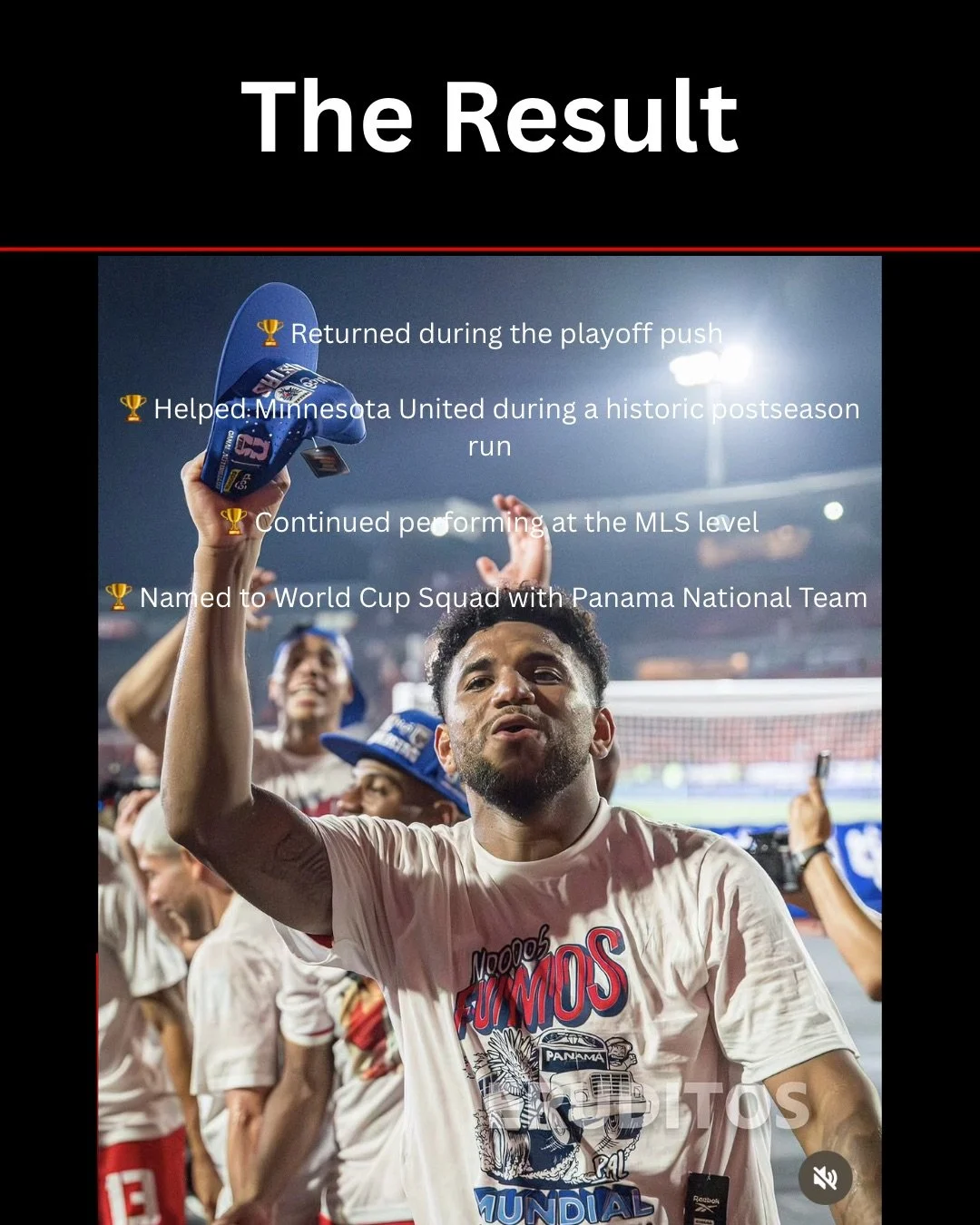
Carlos successfully returned to competition during Minnesota United's playoff push and was able to contribute during an important stage of the season. More importantly, he returned capable of performing the physical demands required of both a defensive midfielder and center back at the professional level.
Following the MLS season, Carlos continued competing internationally with the Panama National Team and ultimately earned selection to Panama's FIFA World Cup squad. His journey serves as a reminder that successful rehabilitation is not measured solely by returning to the field, but by returning prepared to perform at the highest level.
Lessons for Soccer Players Recovering From Knee Surgery
Athletes recovering from knee surgery often focus on one milestone: becoming pain-free. While reducing pain is an important step in the rehabilitation process, successful return to sport requires much more than symptom resolution. Many athletes are surprised to learn that significant deficits in strength, power, speed, and conditioning can remain even after pain has subsided.
One of the most important aspects of rehabilitation is rebuilding lower-body strength and force production. Strength provides the foundation for nearly every athletic movement in soccer, including sprinting, decelerating, cutting, jumping, and landing. Without restoring these physical qualities, athletes may struggle to perform at their previous level and may be at greater risk for future knee injuries including meniscus injuries, ACL tears and other knee ligament injuries.
As rehabilitation progresses, athletes must also be exposed to the specific demands of soccer. This includes progressive sprint exposure, change-of-direction training, reactive movement, and sport-specific conditioning. These elements help prepare the body for the unpredictable and high-intensity nature of competition while building confidence in movement and decision-making under pressure.
Perhaps the most important lesson is understanding that returning to play and returning to performance are not the same thing. Medical clearance simply means an athlete is healthy enough to participate. True return to performance occurs when the athlete possesses the strength, speed, conditioning, movement quality, and confidence necessary to compete at a high level. The goal should never be to simply get back on the field—it should be to return ready to perform.
If you're recovering from a soccer injury or knee surgery, working with a sports physical therapist who understands the physical demands of the game can help bridge the gap between rehabilitation and performance.
