
Why Your Banded Ankle Mobility Exercise May Not Be Improving Your Dorsiflexion
Correcting Banded Ankle Mobilizations | Ankle Sports Rehab in Eagan, MN
Trying to improve your ankle mobility but not seeing meaningful progress?
This is one of the most common mistakes I see athletes make when attempting to improve ankle dorsiflexion.
Banded ankle mobilizations are one of the most effective mobility drills for restoring dorsiflexion—when performed correctly. However, many athletes unknowingly place the resistance band too high above the ankle joint, which often results in pulling on the lower leg rather than properly mobilizing the talus.
If the talus is not being mobilized appropriately, you are likely not improving true ankle joint motion.
The Common Mistake: Band Placement Too High
When the resistance band is placed above the malleoli (ankle bones), the force is often directed into the tibia or lower leg rather than creating the posterior talar glide necessary for improved dorsiflexion.
This limits the true mechanical benefit of the exercise and often leads athletes to believe they are addressing mobility restrictions when they are simply going through the motions.
In other words: movement is happening, but the joint itself may not actually be improving.
How to Perform Banded Ankle Mobilizations Correctly
To improve true dorsiflexion:
Place the resistance band below the ankle bones (malleoli)
Anchor the band so it pulls the talus posteriorly
Elevate your foot on a box or platform for improved forward translation
Drive your knee forward over your toes while keeping your heel firmly down
This setup better restores posterior talar glide, which is essential for ankle dorsiflexion.
Why Proper Ankle Dorsiflexion Matters
Limited ankle mobility does not just affect your ankle—it impacts the entire lower kinetic chain.
Poor dorsiflexion can contribute to:
Reduced squat depth
Early heel rise during strength movements
Increased stress on the knee joint
Poor landing mechanics
Altered sprinting and cutting patterns
Compensation strategies that increase injury risk
For athletes, especially runners and field sport athletes, inadequate ankle mobility often leads to inefficient force absorption and altered movement strategies that place greater stress on the knees, Achilles tendon, and surrounding structures.
If proper ankle motion is not restored, the body will often compensate elsewhere—and the knee frequently becomes the next problem.
The Link Between Ankle Mobility and Knee Pain
Restricted dorsiflexion has been associated with:
Patellar tendon irritation
Increased ACL injury risk factors
Poor deceleration mechanics
Reduced lower extremity loading efficiency
This is why addressing ankle mobility is often an important part of rehabilitation for:
Knee pain
ACL recovery
Running-related injuries
Return-to-sport progression
Focus on Quality, Not Just Exercise Selection
Mobility work is only as effective as its execution.
Many athletes perform the “right” exercise incorrectly and wonder why their mobility does not improve. The details matter.
Correct band placement, joint targeting, and movement mechanics can make the difference between true mobility gains and wasted effort.
Do not just go through the motions—make sure your mobility work is actually producing the adaptation you need.
See the Difference: Incorrect vs Correct Technique
In the accompanying Instagram reel, you’ll see:
Common incorrect setup
Why the incorrect position fails to mobilize the joint
Proper setup for restoring true dorsiflexion
How better ankle mobility improves overall movement quality
This visual comparison can help athletes better understand why subtle adjustments can create significantly better results.
Exercise Clip Here
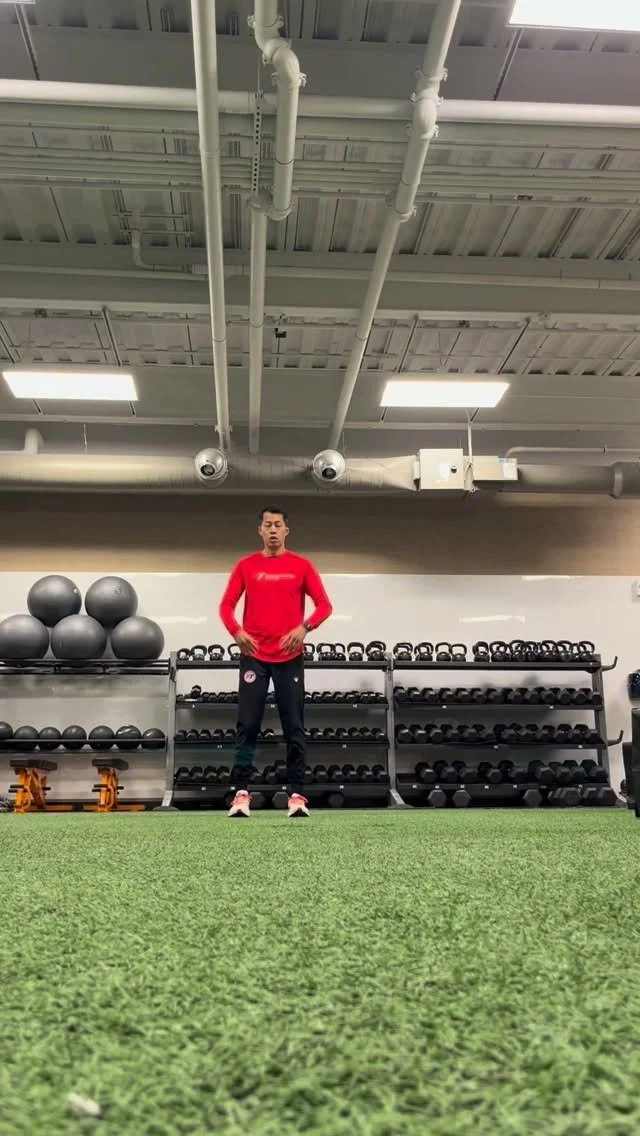
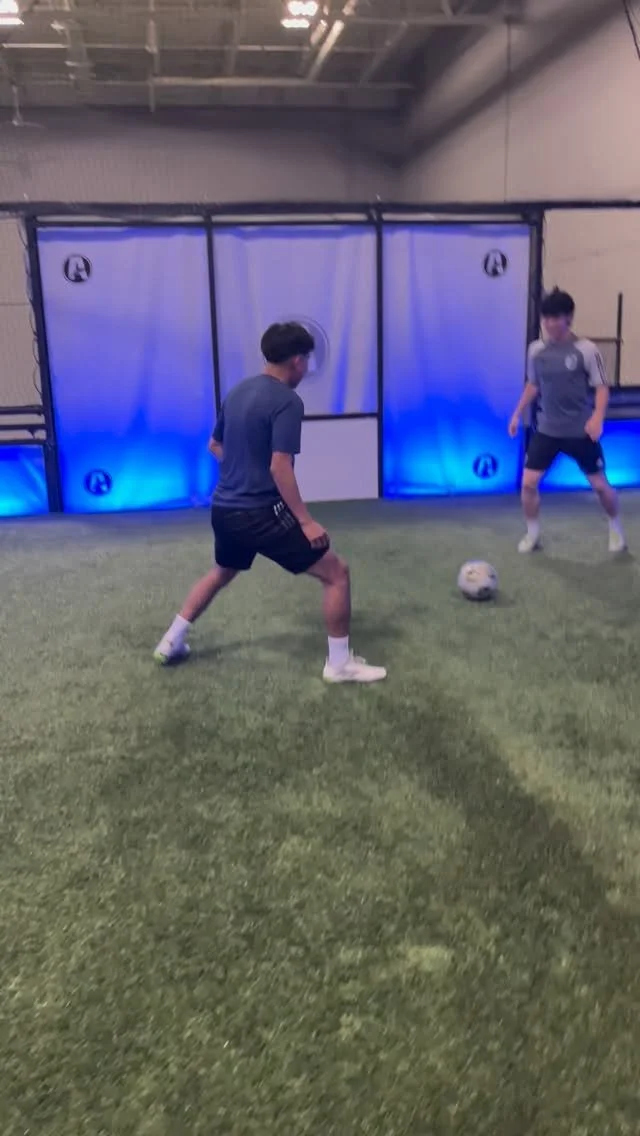
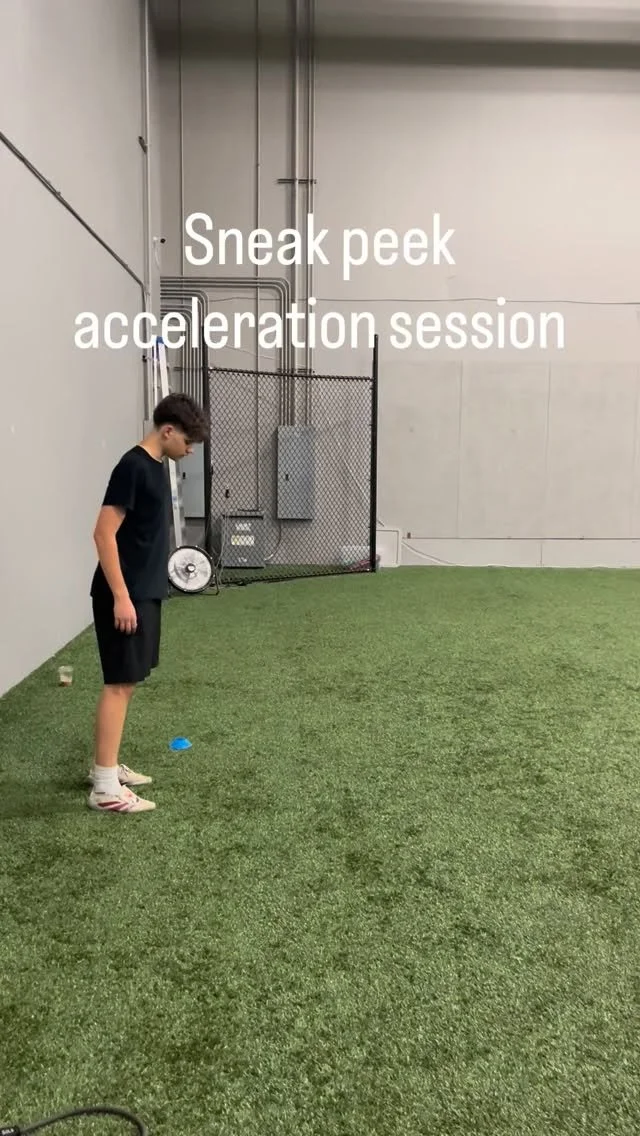
-
Improper exercise execution, poor band placement, and failure to target true joint mechanics are common reasons mobility drills fail.
-
The band should be placed below the ankle bones to create a posterior glide of the talus during dorsiflexion movements.
-
Yes. Restricted ankle dorsiflexion can increase knee stress, alter squat and landing mechanics, and contribute to compensation patterns.
-
This depends on your deficits, symptoms, and activity demands, but consistency and proper execution are more important than excessive volume.
