
Why Your Quad Won't Fire After ACL Surgery (And How to Wake It Back Up)
After ACL surgery, many athletes assume their quadriceps are weak simply because they lost muscle mass during the recovery process. While muscle atrophy certainly plays a role, the bigger issue is often neurological. Pain, swelling, and surgical trauma can disrupt the communication between your brain and the quadriceps, making it difficult to fully activate the muscle—even when you're trying as hard as possible. At First Touch Performance Rehab, restoring quadriceps activation is one of our highest priorities because strength cannot be built on a muscle that isn't fully turning on.
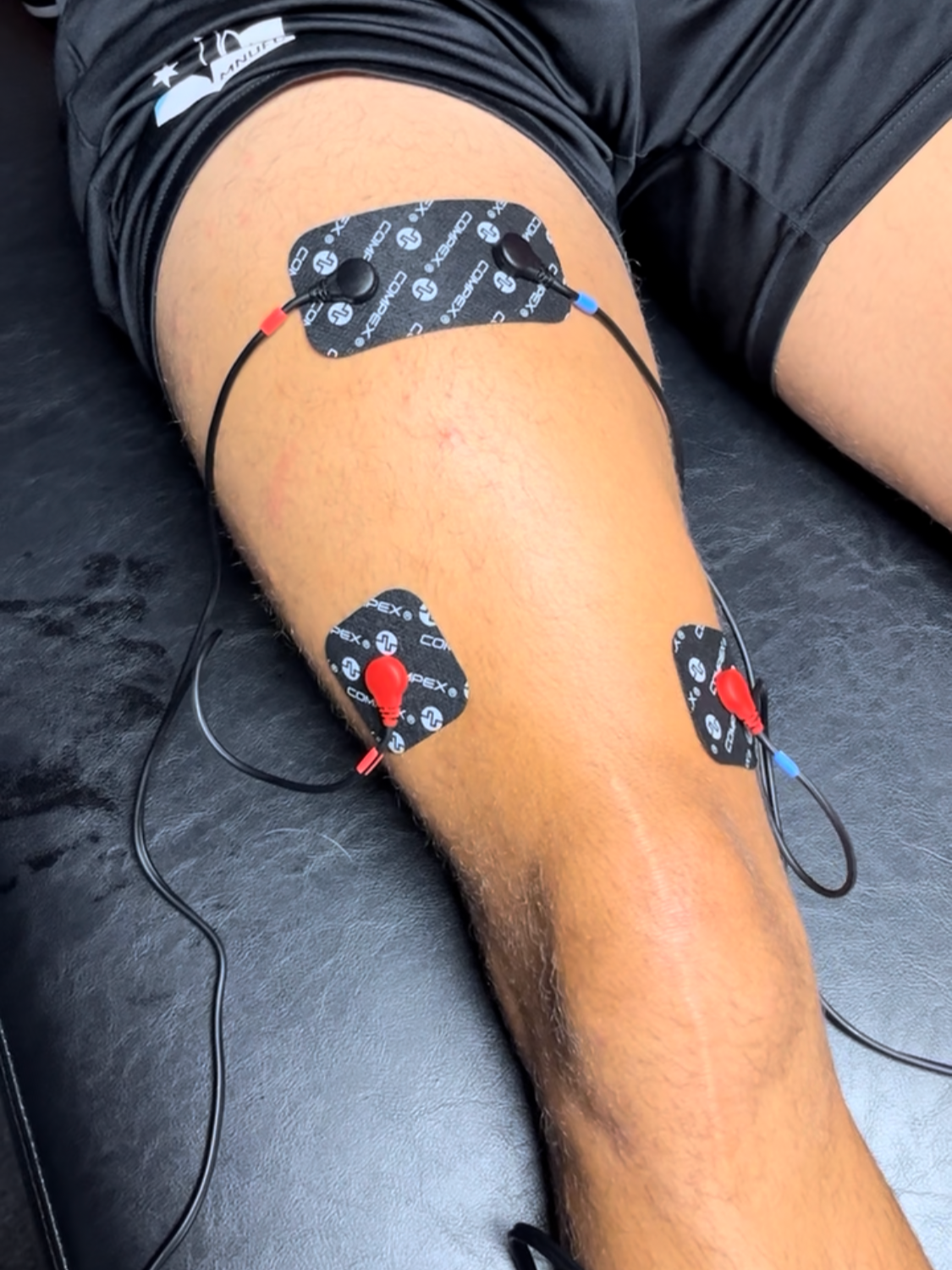
Why Is My Quad So Weak After ACL Surgery?
One of the most common questions athletes ask after ACL reconstruction is why their quadriceps feel dramatically weaker than before surgery. The answer is not simply a loss of strength or muscle size. Following ACL surgery, swelling, pain, and inflammation create protective changes within the nervous system that limit the ability to recruit the quadriceps effectively. This neurological shutdown often occurs within days of surgery and can persist for months if not addressed appropriately. Restoring quadriceps strength after ACL surgery requires more than traditional strengthening exercises—it requires re-establishing the brain-to-muscle connection that allows the muscle to function normally again.
Why Won't My Quad Fire After Knee Surgery?
If your quadriceps won't contract after knee surgery, you're not alone. Many athletes recovering from ACL reconstruction, meniscus repair, or other knee procedures experience what feels like a complete disconnect between their brain and their leg. You may understand exactly what you're trying to do, but the muscle simply refuses to respond. This protective response is the body's way of limiting stress on the injured joint, but it often becomes a barrier to successful rehabilitation. Addressing this early in physical therapy is critical because persistent quadriceps inhibition can delay strength gains, alter movement mechanics, and prolong return-to-sport timelines.
What Is Arthrogenic Muscle Inhibition (AMI)?
Arthrogenic muscle inhibition, commonly known as AMI, is a neurological condition that occurs after joint injury or surgery. Following ACL reconstruction, sensory receptors within the knee send altered signals to the brain due to pain, swelling, and inflammation. In response, the nervous system decreases activation of the quadriceps to protect the joint. While this mechanism is helpful immediately after injury, prolonged inhibition can significantly impair recovery. AMI is one of the primary reasons athletes struggle to regain quadriceps strength after ACL surgery despite consistent exercise and rehabilitation. Understanding and treating AMI is essential for restoring normal movement, rebuilding strength, and returning to sport safely.
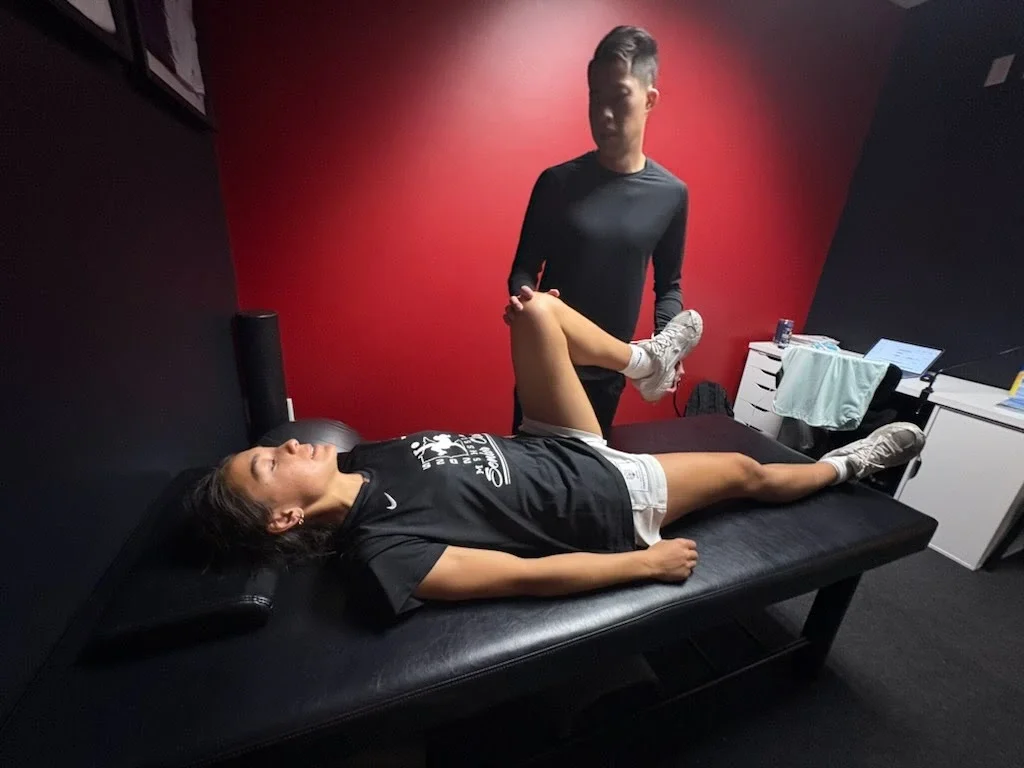
Can Electrical Stimulation Help Wake Up My Quad After ACL Surgery?
Neuromuscular electrical stimulation (NMES), commonly referred to as e-stim, is one of the most effective tools for improving quadriceps activation after ACL surgery. By delivering an external electrical impulse to the muscle, NMES helps recruit motor units that the nervous system may struggle to activate voluntarily. When combined with active contractions and a progressive strengthening program, electrical stimulation can accelerate the restoration of quadriceps function and improve long-term rehabilitation outcomes.
How Does NMES Improve Quad Activation?
NMES works by bypassing some of the neurological inhibition that occurs after ACL surgery and directly stimulating the quadriceps to contract. This increased muscle recruitment helps strengthen the brain-to-muscle connection while promoting more effective force production. Over time, athletes become better able to voluntarily activate their quadriceps without relying on external assistance. Research consistently supports the use of NMES in early ACL rehabilitation to improve quadriceps strength and reduce long-term deficits.
When Should You Start Electrical Stimulation After ACL Surgery?
In many cases, electrical stimulation should begin as early as possible following ACL reconstruction, provided the surgical team has cleared the athlete for rehabilitation. Early intervention helps minimize muscle atrophy and combats the effects of arthrogenic muscle inhibition before compensatory movement patterns develop. Addressing quadriceps activation within the first few weeks after surgery often creates a stronger foundation for future strengthening, running progressions, and return-to-sport activities.
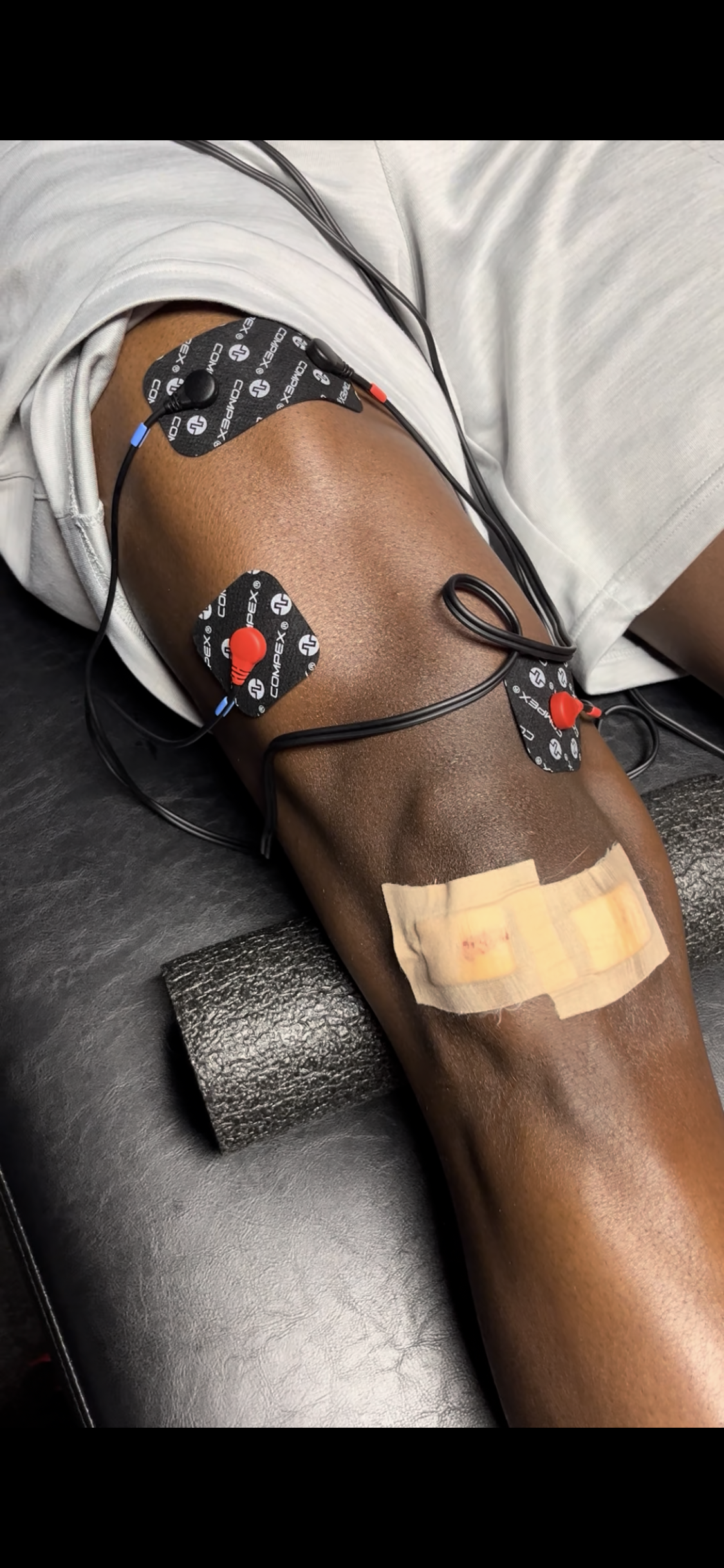
Should You Contract Your Quad During NMES Treatments?
Absolutely. At First Touch Performance Rehab, athletes actively contract their quadriceps during every stimulation cycle rather than passively allowing the machine to do the work. Combining voluntary effort with electrical stimulation creates greater neurological adaptations and reinforces the brain-to-muscle connection. The goal is not simply to make the muscle contract, but to teach the nervous system how to fully recruit the quadriceps again during functional activities.
Why Isn't Strength Training Alone Fixing My Quad Weakness?
Traditional strengthening exercises are important, but they cannot fully solve a neurological problem. If the quadriceps cannot activate properly, adding more repetitions or heavier loads often reinforces compensation patterns rather than improving strength. Many athletes continue to favor their uninvolved side during squats, lunges, and other exercises because the affected quadriceps is still inhibited. Effective ACL rehabilitation requires addressing activation first, then progressively building strength, power, and athletic performance on top of that restored foundation.
What Are the Best Exercises to Activate Your Quad After ACL Surgery?
The best quadriceps activation exercises after ACL surgery are those that encourage high levels of muscle recruitment while respecting tissue healing timelines. Early-stage interventions often include quad sets, standing terminal knee extensions, Spanish squat isometrics, and split squat holds. These exercises help restore neuromuscular control, improve knee extension mechanics, and prepare athletes for more demanding strengthening activities. When combined with NMES and individualized sports physical therapy, these exercises provide an effective pathway toward regaining quadriceps strength and returning to sport.
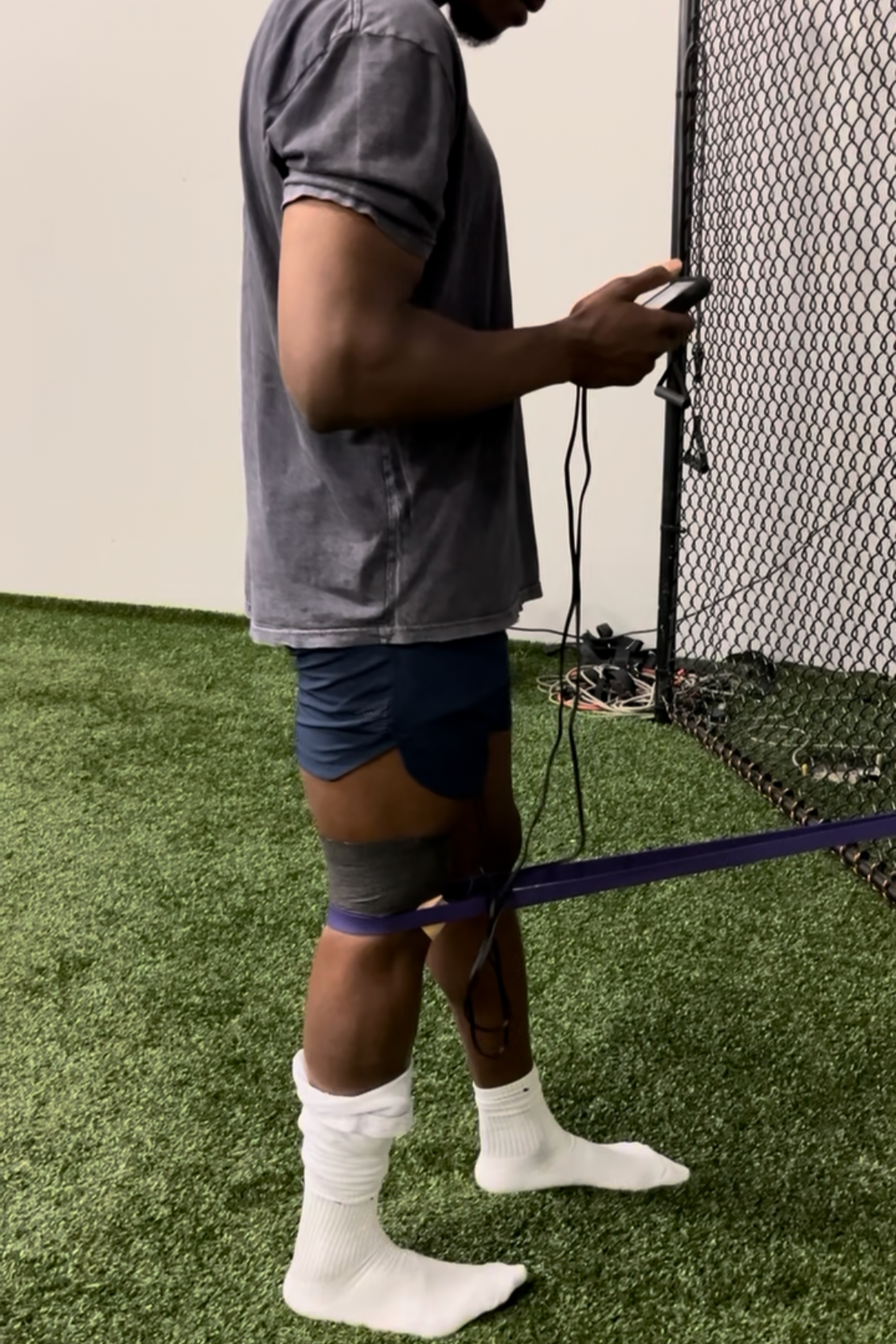
How Long Does It Take to Get Your Quad Strength Back After ACL Surgery?
Regaining full quadriceps strength after ACL reconstruction is a long-term process that often extends well beyond the initial healing period. While some athletes regain basic activation within a few weeks, restoring strength symmetry, power production, and athletic performance can take several months. Factors such as swelling management, early use of electrical stimulation, adherence to rehabilitation, and previous training history all influence recovery timelines. The earlier quadriceps inhibition is addressed, the more efficiently athletes can progress toward running, jumping, cutting, and returning to competitive sports.
When Should You Worry About Persistent Quad Weakness After ACL Surgery?
Persistent quadriceps weakness several months after ACL surgery should not be ignored. Ongoing deficits in strength and activation can increase the risk of movement compensations, delayed return to sport, and future injury. If your quadriceps still feels significantly weaker than the opposite side despite regular rehabilitation, it may indicate unresolved arthrogenic muscle inhibition or inadequate loading strategies. Working with a sports physical therapist who understands both the medical and performance aspects of ACL rehabilitation can help identify and address these limitations before they become long-term problems.
How Does First Touch Performance Rehab Use NMES for ACL Recovery?
At First Touch Performance Rehab, electrical stimulation is integrated into a comprehensive, performance-based approach to ACL rehabilitation. NMES is paired with active muscle contractions, objective strength testing, progressive loading, and sport-specific movement progressions to ensure athletes are developing both neurological control and physical capacity. Our one-on-one sessions allow us to monitor swelling, restore full knee extension, improve quadriceps activation, and transition athletes from early rehabilitation into high-level performance training. The goal is not simply returning to play, but returning stronger, faster, and more resilient than before injury.
Ready to Wake Up Your Quad and Return to Sport?
If your quadriceps still feels weak after ACL surgery or knee surgery, the problem may not be your effort—it may be the communication between your brain and your muscle. Addressing quadriceps activation early through targeted exercises, neuromuscular electrical stimulation, and individualized sports physical therapy can dramatically improve long-term outcomes. At First Touch Performance Rehab, we specialize in helping athletes bridge the gap between rehabilitation and performance so they can confidently return to the sports they love.
