
Hamstring Strain Rehab for Athletes: 3 Key Progressions to Restore Speed and Reduce Reinjury Risk
Hamstring Strain Rehab for Athletes | Sprint Progression & Sports PT in Eagan, MN
Hamstring injuries don’t just need rest—
They need progression.
One of the biggest mistakes athletes make after hamstring injury is completing basic rehab exercises but never truly preparing the body for the actual demands of sport.
Many athletes improve symptoms, regain basic function, and feel “good enough”…
…but still never fully restore:
Sprint tolerance
Eccentric strength
High-speed force production
Reactive control
Confidence at top speed
This often leaves the athlete vulnerable.
The goal is not simply to be pain-free.
The goal is to confidently return to full speed performance.
At First Touch Performance Rehab, we emphasize progressive rehab strategies that restore tissue resilience and prepare athletes for what competition actually demands.
Why Hamstring Strains Commonly Recur
Hamstring injuries often happen when tissue is exposed to:
High-speed sprinting
Lengthened muscle positions
Reactive movement
Rapid acceleration or deceleration
If rehab never fully restores these qualities, athletes may return underprepared.
This is why rehab must evolve beyond simple early exercises.
3 Key Hamstring Rehab Progressions
1. Single Leg RDL + Med Ball Drop/Catch
Why it matters:
This phase builds foundational eccentric strength while introducing dynamic stabilization and reactive control.
The hamstring must not only produce force—it must also stabilize the body under unpredictable demands.
Single-leg RDL variations with reactive med ball components challenge:
Posterior chain strength
Single-leg balance
Hip control
Neuromuscular coordination
Athletic reactivity
This creates an important bridge between traditional strength work and real-world sport movement.
Early rehab should not just rebuild strength—
It should retrain control.
2. Hamstring Kickouts
Why it matters:
Most hamstring injuries occur in lengthened positions, particularly during terminal swing in sprinting.
This means rehab must specifically prepare the tissue to tolerate load where it is most vulnerable.
Hamstring kickouts help athletes:
Load the hamstring in extended ranges
Improve eccentric tolerance
Restore confidence in vulnerable positions
Increase tissue durability
Prepare for higher-speed demands
Avoiding lengthened loading too long often leaves athletes underprepared for return.
We don’t want the hamstring to avoid stress—
We want it to handle stress.
3. Sprint Progression
Why it matters:
This is where many rehab programs fall short.
Sprinting is one of the highest-load activities for the hamstring, but it is also one of the most essential tools for successful rehab.
When dosed correctly, sprint progression helps restore:
High-speed tissue tolerance
Force production
Neuromuscular readiness
Top-speed confidence
Return-to-sport performance
However, this is where many athletes make critical mistakes:
Common errors:
Avoid sprinting too long
Return to max speed too early
Under-dose sprint exposure
Ignore tissue response
Successful progression starts with controlled exposures and gradually builds toward full speed.
Prescription matters.
Our Rehab Philosophy at First Touch Performance Rehab
As a former MLS physical therapist, our hamstring rehab model emphasizes:
Eccentric strength
Reactive control
Lengthened loading
Sprint progression
Objective progression
Goal:
Not just symptom relief—
But restoring resilient, explosive athletes.
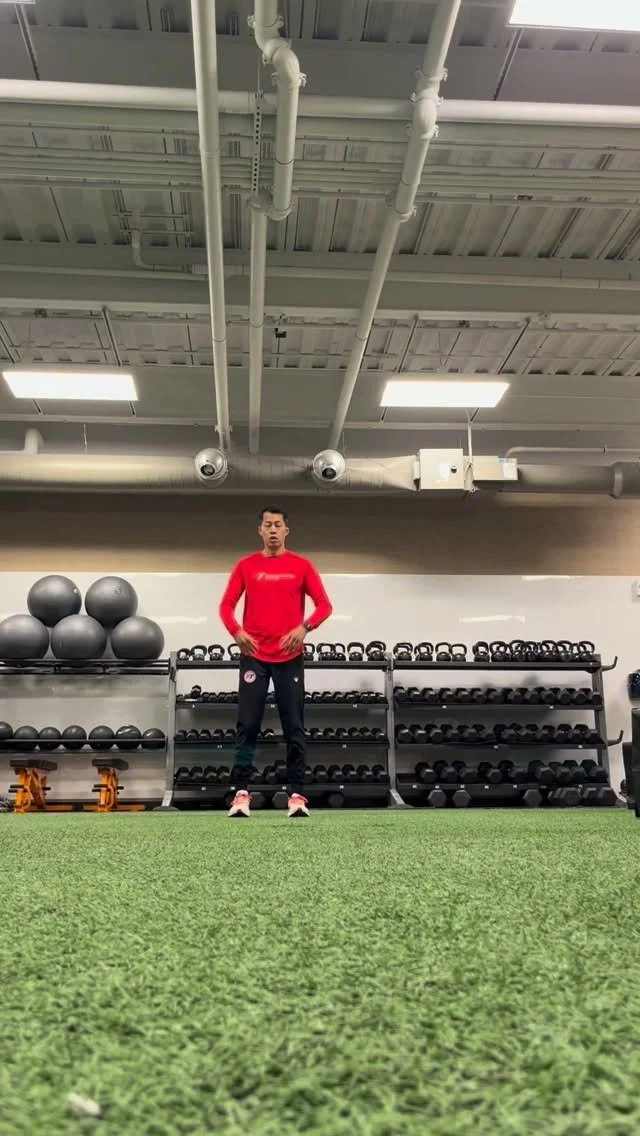
3 Key Hamstring Rehab Progressions



Book an Evaluation
At First Touch Performance Rehab in Eagan, MN, we help athletes recover from hamstring injuries with one-on-one, sports-specific physical therapy designed to optimize healing, rebuild performance, and protect against re-occuring hamstring strains.
Book your evaluation today.
-
No—progressive strength and sprint exposure are essential.
-
It restores sport-specific force tolerance and performance readiness.
-
Pain-free activity alone is not enough—strength, speed, and confidence all matter.
-
Avoiding or poorly dosing sprint progression.
