
LCL Injury Rehab in Soccer: A Pro-Level Case Study on Return to Sport
LCL Rehab Protocol in Elite Soccer Player | Sports PT in Eagan, MN
Lateral collateral ligament (LCL) injuries are rare in soccer, but when they occur, they present unique challenges.
Unlike ACL or MCL injuries, LCL injuries involve:
Lateral knee instability
Varus stress sensitivity
Difficulty with cutting, deceleration, and sprinting
In this case study, we break down how an elite level soccer athlete in a professional academy setting, progressed through rehab using a criteria-based return-to-sport model—the same approach used at the highest levels of the game.
Understanding LCL Injuries in Soccer
LCL injuries typically occur from:
Direct contact to the medial knee (forcing varus stress)
Awkward planting during cutting or tackling
High-speed directional changes under load
Because they are less common, LCL injuries are often:
Misdiagnosed early, mimic hamstring symptoms or meniscus injuries
Under-rehabilitated
Returned to play without full lateral stability
Phase 1: Early Rehab & Protection
Primary goals:
Protect healing structures
Reduce pain and swelling
Restore controlled range of motion
Key focus areas:
Avoid excessive varus stress
Early quadriceps activation
Controlled weight-bearing progressions
At this stage, the goal isn’t performance—it’s building a stable foundation.
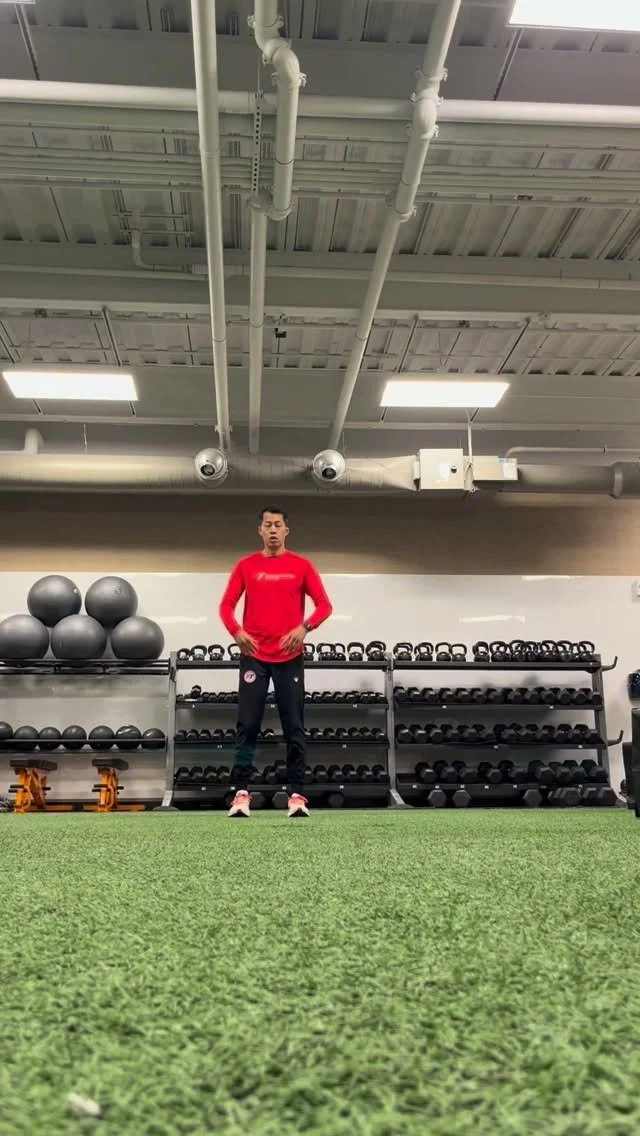
Phase I Exercises following LCL Reconstruction in a MLS Academy Player
Phase 2: Strength & Movement Control
As symptoms improve, rehab progresses into:
Single-leg strength development
Frontal plane control
Lateral knee stability under load
Key progressions:
Split squats → rear-foot elevated work
Lateral band resistance training
Controlled deceleration mechanics
This phase bridges the gap between basic strength and athletic movement.
Phase 2 Exercises following LCL Reconstruction in a MLS Academy Player
Phase 3: Power, Running & Change of Direction
This is where many rehabs fall short.
For LCL injuries, athletes must tolerate:
High-speed running
Lateral forces
Reactive change of direction
Progression includes:
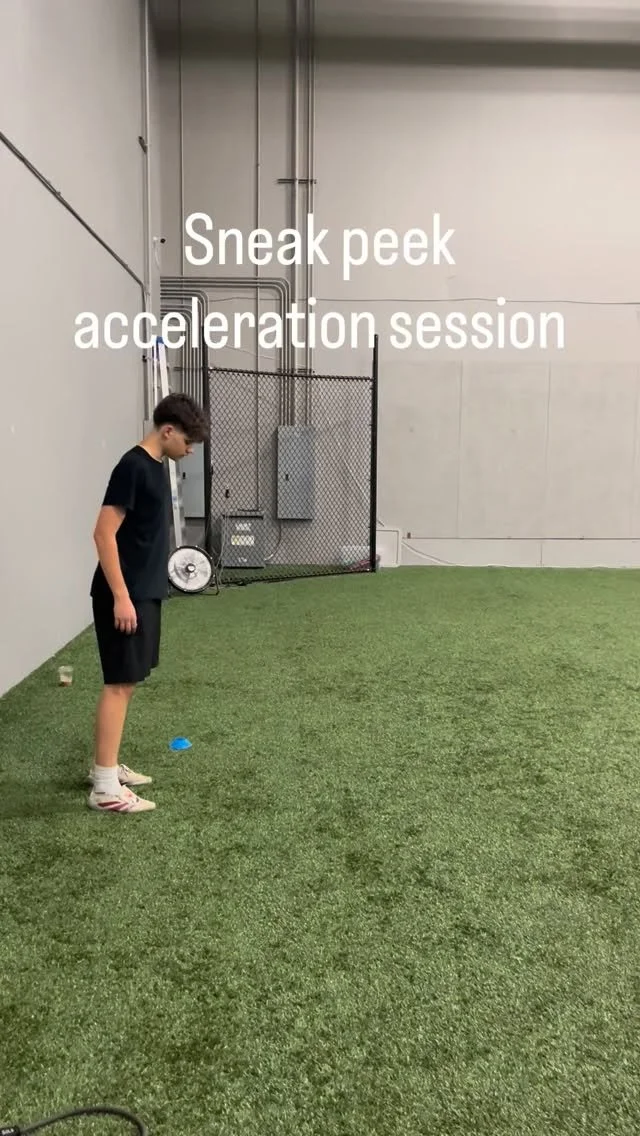
Linear sprint build-up → max velocity exposure
Plyometrics (bilateral → single-leg)
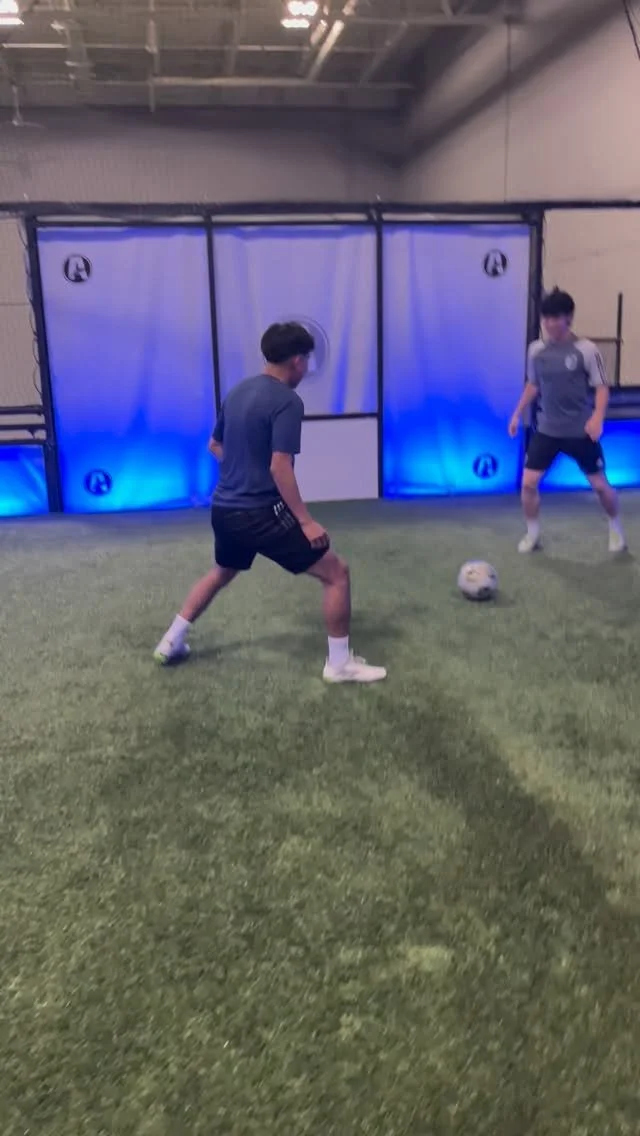
Planned → reactive cutting drills
Sprinting isn’t optional—it’s essential for return to play.
Phase 3 Exercises following LCL Reconstruction in a MLS Academy Player
Phase 4: Return to Sport & Game Readiness
Returning to play is not time-based—it’s criteria-based.
To safely return, the athlete must demonstrate:
Symmetrical strength and power
Confidence in lateral movements
Tolerance to full-speed sprinting
Ability to react under game conditions
Final progression:
Controlled training → partial team integration
Full training exposure
Gradual return to competition minutes
Phase 4 Exercises following LCL Reconstruction in a MLS Academy Player
Book an Evaluation
If you’re recovering from a knee injury and want a structured, performance-based rehab plan that prepares you for real return-to-sport demands, First Touch Performance Rehab in Eagan, MN can help.
We provide one-on-one sports physical therapy designed to restore speed, rebuild confidence, and reduce reinjury risk through advanced progression strategies.
Book your evaluation today and return stronger—from first touch to final whistle.

-
Recovery time depends on the severity of the injury and the demands of your sport.
Grade 1 (mild): ~2–4 weeks
Grade 2 (moderate): ~4–8+ weeks
Grade 3 (severe): 8–12+ weeks (sometimes longer if additional structures are involved)
For soccer and field sport athletes, timeline alone isn’t enough. A safe return requires meeting strength, sprinting, and change-of-direction criteria—not just feeling better.
-
Most isolated LCL injuries do not require surgery and can be successfully managed with structured rehabilitation.
However, surgery may be considered if:
There is a complete tear (Grade 3)
Other ligaments are involved (PLC, ACL, etc.)
Persistent instability remains after rehab
A proper evaluation is key to determining the right path.
-
Running is introduced progressively based on your ability to tolerate load and control movement.
Typically, athletes begin with:
Controlled linear jogging
Gradual build-up in speed
Progression toward sprinting and max velocity
In higher-level athletes, sprinting is a necessary part of rehab, not something to avoid. The key is introducing it at the right time with the right progression.
-
Returning to sport should be based on objective criteria, not just time or pain levels.
You should demonstrate:
Symmetrical strength and power
Confidence in cutting and lateral movement
Ability to sprint at high speeds
Tolerance to reactive, game-like situations
This is why return-to-sport testing is critical—it ensures you’re not just cleared to play, but prepared to perform.
